 Experts You Can Trust
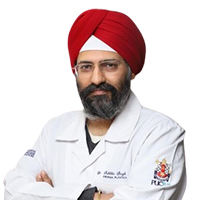
Medically Reviewed by Dr. Sukhbir Singh
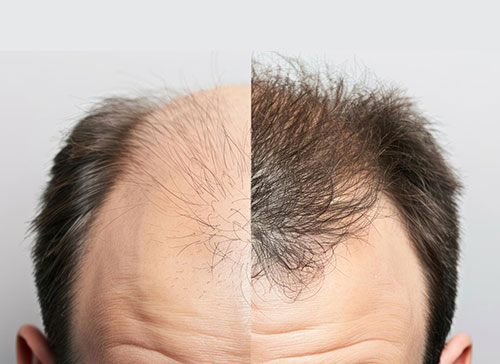
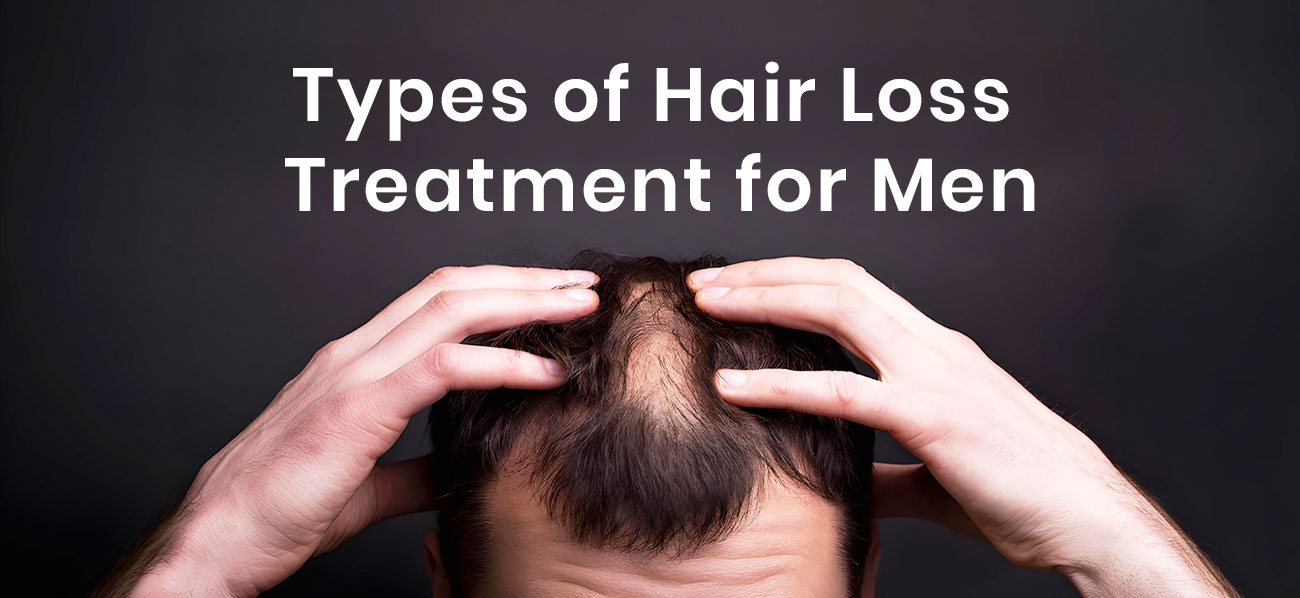
Hair loss is a common concern among men and can affect individuals at different stages of life. Many men begin to notice thinning hair, a receding hairline, or excessive hair fall as they grow older. In fact, male hair loss is one of the most frequent cosmetic and medical concerns worldwide, often impacting both appearance and self-confidence.
Several factors can contribute to hair loss in men. The most common cause is genetics, also known as male pattern baldness, which is influenced by hormones such as DHT. Early diagnosis plays a crucial role in managing hair loss effectively. Consulting a qualified hair specialist at the right time can help identify the underlying cause and prevent further hair loss. Professional evaluation also ensures that the most suitable treatment plan is recommended based on the individual’s hair condition.
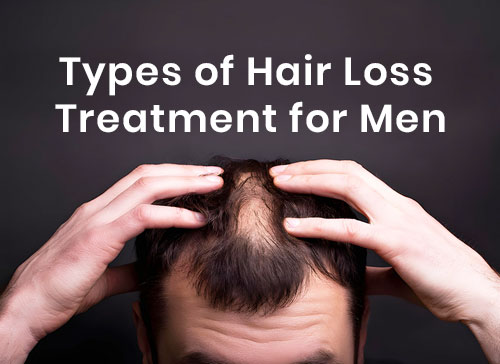
Today, advancements in medical technology have made it possible to treat hair loss through various modern hair restoration treatments. From non-surgical therapies to advanced procedures like hair transplants, men now have multiple options available to restore hair growth and improve overall hair health. In the following sections, we will explore the different types of hair loss treatments for men and how they work.
Hair loss in men can occur due to several underlying factors that affect the health and growth cycle of hair follicles. Understanding the root cause of hair loss is essential before choosing the right treatment. While some causes are genetic, others may be related to lifestyle, hormonal changes, or health conditions.
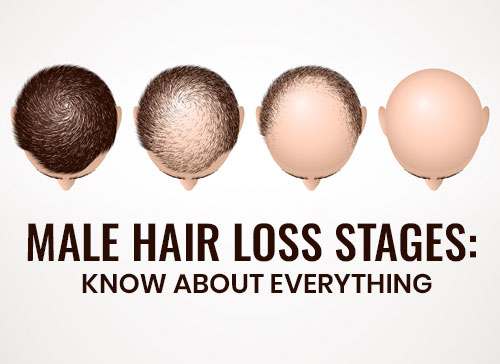
One of the most common causes of hair loss in men is male pattern baldness, also known as androgenetic alopecia. This condition is inherited and typically develops gradually with age. It often begins with a receding hairline or thinning at the crown, eventually leading to noticeable hair loss. Genetics play a major role in determining how early and how severely this condition develops.
Hormones also play a significant role in hair loss. A hormone called Dihydrotestosterone (DHT) can shrink hair follicles over time, making it difficult for them to produce healthy hair. As the follicles become smaller, the hair strands become thinner and weaker, eventually stopping hair growth in those areas.
Modern lifestyle habits can also contribute to hair loss. High levels of stress, poor sleep patterns, smoking, and an unhealthy diet can weaken hair follicles and disrupt the natural hair growth cycle. Stress, in particular, can trigger temporary hair shedding known as telogen effluvium, which causes more hair to fall out than usual.
Hair requires essential nutrients such as protein, iron, zinc, vitamins, and minerals to grow properly. A lack of these nutrients can weaken the hair structure and slow down hair growth. Nutritional deficiencies are often linked to poor dietary habits or certain health conditions that affect nutrient absorption.
Certain medical conditions and medications may also lead to hair loss. Conditions such as thyroid disorders, scalp infections, or autoimmune diseases can affect hair growth. In some cases, medications used for treating illnesses like high blood pressure, depression, or cancer may cause hair loss as a side effect.
Identifying the exact cause of hair loss is important because it helps specialists recommend the most effective treatment option. Proper diagnosis ensures that the treatment targets the root problem rather than just the symptoms.
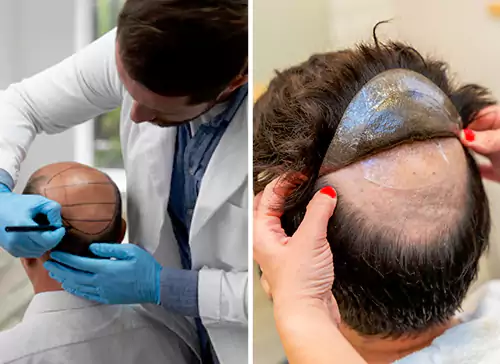
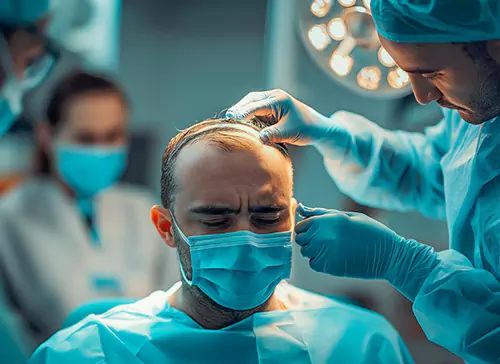
A hair transplant is considered one of the most effective and permanent solutions for treating hair loss in men, especially for those experiencing significant thinning or baldness. This procedure involves transferring healthy hair follicles from a donor area—usually the back or sides of the scalp-to areas where hair growth has reduced or stopped. Because the transplanted follicles are resistant to hair loss, the results are typically long-lasting and natural in appearance.
FUE (Follicular Unit Extraction)
In the FUE method, individual hair follicles are extracted from the donor area using specialized tools and then carefully implanted into the thinning or bald areas. This technique is minimally invasive, leaves very tiny scars, and usually offers a faster recovery time.
FUT (Follicular Unit Transplantation)
The FUT method involves removing a thin strip of scalp from the donor area. Hair follicles are then separated from this strip and transplanted into the target areas. While this technique may leave a small linear scar, it can allow surgeons to transplant a larger number of grafts in a single session.
Hair transplants are generally recommended for men with advanced hair loss or well-defined bald areas. When performed by experienced specialists, the procedure provides natural-looking hair growth, improved hair density, and long-term results, helping men regain both their hairline and confidence.
PRP (Platelet-Rich Plasma) Hair Treatment is a popular non-surgical procedure used to treat hair thinning and promote natural hair growth. This advanced therapy uses the patient’s own blood plasma, which is rich in growth factors that help stimulate hair follicles and improve scalp health.
The procedure begins by drawing a small amount of the patient’s blood, which is then processed in a centrifuge to separate the platelet-rich plasma. This concentrated plasma is carefully injected into the areas of the scalp experiencing hair thinning. The growth factors present in PRP help strengthen hair follicles, improve blood circulation in the scalp, and encourage new hair growth.
PRP hair treatment is especially suitable for men in the early stages of hair loss, where hair follicles are still active but weakened. Because the treatment uses the patient’s own biological material, it is considered safe and carries a low risk of side effects.
One of the major advantages of PRP therapy is that it is non-surgical and requires minimal downtime. Most individuals can return to their normal daily activities shortly after the procedure. With multiple sessions and proper medical guidance, PRP treatment can help improve hair thickness, reduce hair fall, and support healthier hair growth over time.
Exosome hair therapy is an advanced and innovative treatment designed to promote hair growth and improve scalp health. Exosomes are tiny extracellular vesicles that contain powerful growth factors, proteins, and signaling molecules that help repair and regenerate cells. In hair restoration treatments, these biological components help stimulate inactive or weakened hair follicles.
During the procedure, a concentrated exosome solution is carefully applied or injected into areas of the scalp experiencing hair thinning. These exosomes communicate with hair follicle cells and encourage them to regenerate, strengthen, and produce healthier hair strands. The treatment also helps improve blood circulation and supports the natural hair growth cycle.
Exosome therapy is often recommended for individuals experiencing early to moderate hair thinning. It can also be combined with other treatments, such as PRP or hair transplant procedures, to enhance overall results and support faster recovery.
One of the key advantages of exosome therapy is that it is a minimally invasive treatment with little to no downtime. Patients can usually resume their normal activities shortly after the procedure. With proper sessions and expert guidance, exosome hair therapy can help improve hair density, scalp health, and overall hair quality over time.
Medical management is often recommended for men experiencing early-stage hair thinning or mild hair loss. These treatments help slow down hair fall, strengthen hair follicles, and support healthier hair growth when used consistently under the guidance of a hair specialist.
Suggested medications include:
These medications are typically suggested by specialists after evaluating the scalp condition and the stage of hair loss. Regular use and proper medical supervision can help achieve better results.
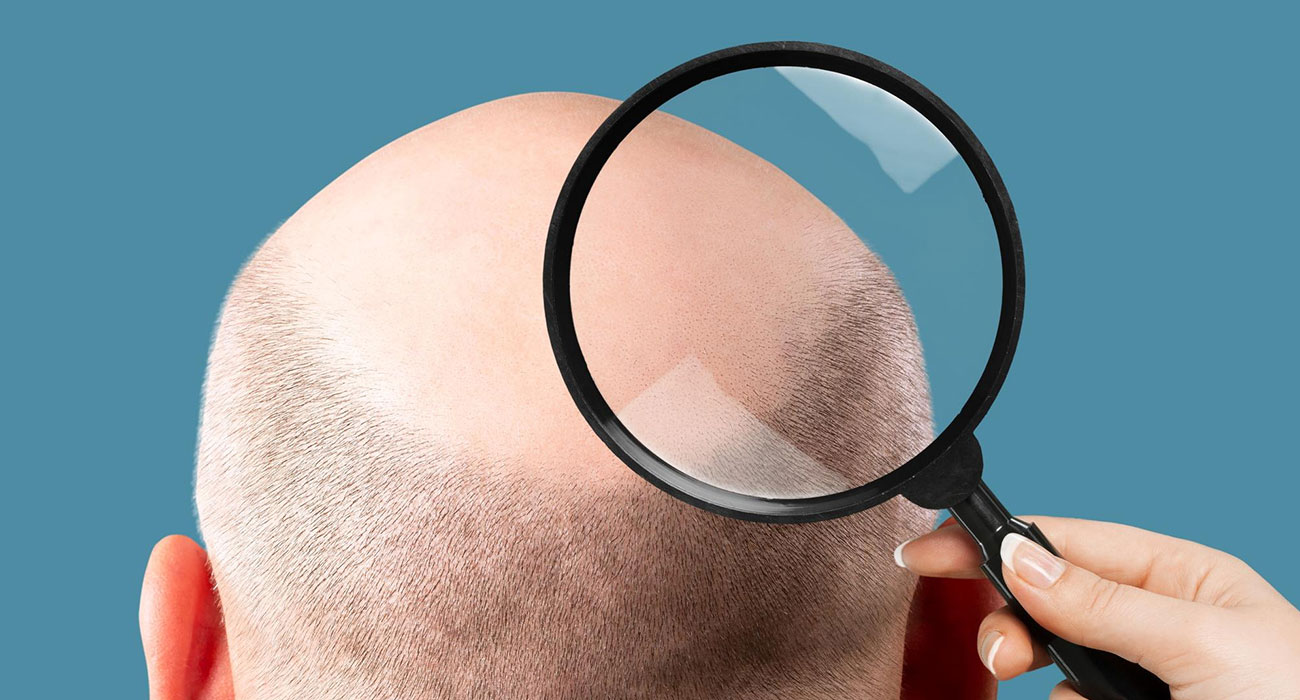
Choosing the right hair loss treatment is an important step toward achieving effective and long-lasting results. Since every individual experiences hair loss differently, the most suitable treatment depends on several factors such as age, the severity of hair loss, and overall health. Consulting a qualified hair specialist helps ensure that the treatment plan is tailored to your specific needs.
Age can influence the type of treatment recommended. Younger individuals who are experiencing early hair thinning may benefit from non-surgical treatments such as PRP therapy or medications. Older individuals or those with advanced hair loss may be better suited for procedures like hair transplantation to restore hair density.
The stage or severity of hair loss plays a major role in determining the appropriate treatment. Mild hair thinning can often be managed with non-invasive therapies, while significant baldness may require advanced solutions like hair transplant procedures for effective results.
Existing hair density is another key factor. Treatments such as PRP or exosome therapy are usually recommended when hair follicles are still active but weakened. If hair density is very low in certain areas, a hair transplant may be necessary to restore natural-looking coverage.
Certain medical conditions, hormonal imbalances, or scalp disorders can contribute to hair loss. It is important to identify and address these underlying issues before starting any hair restoration treatment to ensure better outcomes and avoid complications.
Different hair loss treatments vary in cost depending on the procedure, number of sessions, and technology used. Considering your budget can help determine whether non-surgical treatments or more advanced procedures are the most practical option.
A professional consultation with a qualified hair specialist is essential before choosing any treatment. Experts can evaluate your scalp condition, identify the root cause of hair loss, and recommend the most effective and safe treatment plan based on your individual needs.
Professional hair loss treatments offer effective solutions for individuals experiencing hair thinning or baldness. With advancements in medical technology, these treatments are designed to address the root causes of hair loss while promoting healthier and stronger hair growth. Seeking treatment from experienced specialists ensures both safety and better long-term results.
One of the main advantages of professional hair loss treatments is their ability to provide long-lasting results. Advanced procedures such as hair transplants and regenerative therapies are designed to restore natural hair growth and maintain hair density over time. With proper care and follow-up sessions, many treatments can offer sustainable improvements.
Professional treatments are performed under the supervision of trained specialists using medically approved techniques and equipment. This ensures that the procedures are safe, reliable, and tailored to the patient’s scalp condition, reducing the risk of complications and delivering effective outcomes.
Every individual experiences hair loss differently, which is why professional clinics create personalized treatment plans. Specialists carefully evaluate factors such as hair type, scalp health, and the extent of hair loss before recommending the most suitable treatment. This customized approach increases the chances of achieving the best possible results.
Hair plays an important role in a person’s overall appearance and self-confidence. Professional hair restoration treatments can help restore natural hair growth, improve hair density, and enhance the overall look. As a result, many individuals experience a significant boost in confidence and self-esteem after successful treatment.
While certain types of hair loss may be influenced by genetics, adopting healthy habits can help maintain stronger hair and slow down the process of thinning. Proper hair care, a balanced lifestyle, and timely medical guidance can play a significant role in preserving hair health. Here are some effective tips men can follow to help prevent excessive hair loss.
A nutritious diet is essential for healthy hair growth. Hair follicles require important nutrients such as protein, iron, zinc, vitamins, and minerals to function properly. Including foods like leafy greens, fruits, nuts, eggs, fish, and whole grains in your daily diet can help strengthen hair and support natural growth.
High stress levels can negatively affect the hair growth cycle and lead to increased hair shedding. Practicing stress management techniques such as exercise, meditation, yoga, or adequate sleep can help maintain overall health and reduce the risk of stress-related hair loss.
Using chemical-heavy shampoos, styling gels, or excessive heat styling tools can damage the hair and weaken the follicles. Choosing mild, sulfate-free hair care products and limiting heat styling can help protect hair and maintain its natural strength.
A healthy scalp creates the right environment for hair growth. Regularly washing the hair, keeping the scalp clean, and avoiding excessive oil buildup can prevent scalp issues such as dandruff or infections that may contribute to hair loss.
If you notice excessive hair fall or thinning, it is important to consult a qualified hair specialist. Early diagnosis can help identify underlying causes and allow timely treatment, which can significantly improve the chances of controlling hair loss and restoring healthy hair growth.
Hair fall is a common concern, but when it becomes excessive or noticeable, it may indicate an underlying issue that requires professional attention. Consulting a hair specialist at the right time can help identify the cause of hair loss and prevent the condition from worsening. Early diagnosis also allows for more effective treatment options.
Losing a small amount of hair daily is normal, but if you notice unusual or excessive hair shedding, it may be a sign that your hair follicles are weakening. A specialist can evaluate the condition of your scalp and recommend suitable treatments to control further hair loss.
A gradually receding hairline is often one of the earliest signs of male pattern baldness. If you begin to notice your hairline moving backward or thinning around the temples, seeking professional advice can help slow down the progression and preserve existing hair.
Hair loss that occurs in small patches can sometimes be related to medical conditions such as scalp infections or autoimmune disorders. A hair specialist can perform proper diagnosis and suggest targeted treatments to address the problem.
If your hair suddenly becomes thinner or you notice a significant reduction in hair volume, it may be due to stress, hormonal changes, or nutritional deficiencies. Early consultation can help identify the exact cause and prevent further damage.
If you experience any of these signs, it is advisable to consult an experienced hair specialist. Professional evaluation and personalized treatment plans can help restore hair health and improve overall hair growth.
Resplendent Cosmetics is recognized as a trusted destination for advanced hair restoration and scalp care treatments. The clinic focuses on providing effective, safe, and personalized solutions for individuals experiencing hair thinning, hair loss, or baldness. With modern technology and experienced specialists, Resplendent Cosmetics aims to deliver natural-looking and long-lasting results.
Hair loss in men can be effectively managed with modern treatments such as hair transplants, PRP therapy, exosome therapy, and medications. Each option is designed to address different stages of hair loss and help restore healthier hair growth.
Seeking treatment at an early stage can significantly improve results and prevent further hair thinning. If you are experiencing noticeable hair loss, it is best to consult a professional hair specialist who can recommend the most suitable treatment plan based on your hair condition.
R-9 , Basement, Greater Kailash Part 1,
New Delhi -110048.
Copyright - All Rights reserved © Resplendent Cosmetics
Powered by ITPL