 Experts You Can Trust
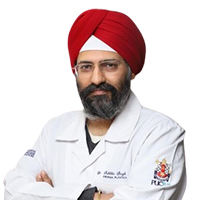
Medically Reviewed by Dr. Sukhbir Singh
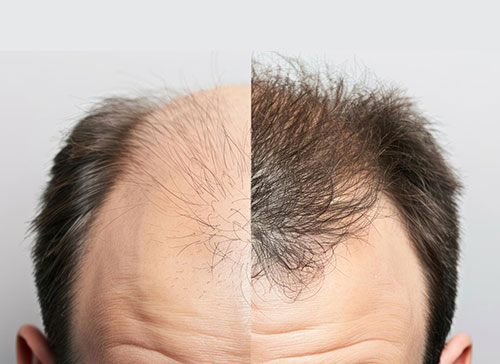
Hair loss is a common concern that affects millions of men and women worldwide. Whether it appears as a receding hairline, widening part line, or overall thinning, hair loss can significantly impact confidence and self-esteem. Fortunately, advancements in regenerative medicine have introduced several non-surgical options for managing hair thinning, and Platelet-Rich Plasma (PRP) therapy has become one of the most popular treatments.
PRP hair restoration is widely sought after because it uses the body's own natural healing components to stimulate hair follicles and improve hair quality. However, before beginning treatment, most patients have two important questions: How many sessions will I need, and when can I expect to see results?
Understanding the PRP treatment process and timeline can help you set realistic expectations and determine whether this procedure is the right option for your hair restoration goals.
Platelet-Rich Plasma therapy involves drawing a small amount of the patient's blood and processing it in a centrifuge to separate the platelet-rich plasma from other blood components. This concentrated plasma contains growth factors and proteins that may help stimulate tissue repair and regeneration.
Once prepared, the PRP is carefully injected into areas of the scalp experiencing thinning or early hair loss. The goal is to improve blood supply to the hair follicles, support follicular health, and encourage the growth of thicker, healthier hair.
PRP is commonly recommended for individuals experiencing:
The treatment is minimally invasive and typically requires little downtime, making it an attractive option for people seeking a non-surgical approach to hair restoration.
Wondering how many PRP sessions you'll need for the best results? Every individual experiences hair loss differently. Schedule a personalized consultation with our experienced hair restoration specialist to assess your scalp, determine the ideal PRP treatment plan, and receive expert guidance for achieving thicker, healthier hair.
Hair follicles naturally progress through different phases, including active growth, resting, and shedding stages. Various factors, including genetics, hormonal changes, stress, aging, and certain medical conditions, can disrupt this cycle and lead to progressive hair thinning.
PRP therapy aims to improve the environment surrounding the hair follicles by delivering concentrated growth factors directly into the scalp. These growth factors may help:
Although PRP cannot create new hair follicles, it may enhance the performance of existing follicles that are still active.
One of the first questions patients ask during consultation is, "How many PRP treatments are needed for hair?" The answer varies from person to person because every case of hair loss is unique.
The recommended number of PRP sessions can vary based on several factors, including:
In general, most specialists recommend beginning with an initial treatment series.
For many patients, the standard treatment protocol includes three to four PRP sessions performed approximately four to six weeks apart.
This schedule allows the growth factors to repeatedly stimulate the scalp and support healthier follicular activity over time.
Many individuals with mild to moderate hair thinning notice visible improvements in hair density and quality after completing the initial series of PRP treatments. However, individuals with more advanced hair loss may benefit from additional sessions.
Hair loss, particularly androgenetic alopecia, is usually a progressive condition. For this reason, maintenance treatments are often recommended after the initial series.
Periodic sessions every six to twelve months may help preserve results and continue supporting hair growth.
Your treatment plan should always be individualized based on your specific condition and long-term goals.
Another common concern among patients is the timeline for improvement. Since hair grows gradually, PRP does not provide immediate results.
During consultations, many individuals ask, "How long does it take for PRP to work on hair?" The answer depends on the patient's hair condition, age, and response to treatment.
During the early stages, visible changes are often minimal. Some patients may notice a reduction in daily hair shedding and improvements in scalp health.
This stage is important because the follicles are beginning to respond to the growth factors introduced through PRP therapy.
By this stage, many patients begin noticing early improvements in hair quality. Existing hair strands may appear thicker, healthier, and stronger.
Some individuals may also observe early signs of improved density in previously thinning areas.
More noticeable improvements in hair volume and scalp coverage are commonly seen around the six-month mark.
At this stage, many patients report increased confidence due to visible enhancement in hair thickness and fullness.
Hair restoration continues gradually, and optimal improvements often become more apparent between nine and twelve months after starting treatment.
Because hair growth cycles differ from person to person, some individuals may see results sooner while others require additional time.
Not every patient experiences the same results from PRP therapy. Several factors can affect treatment outcomes.
Patients who seek treatment during the early stages of hair thinning generally experience better results because more active follicles remain available for stimulation.
Younger individuals often respond more favorably because their hair follicles may still retain stronger regenerative potential.
Hormonal imbalances, nutritional deficiencies, thyroid disorders, and chronic stress can all influence hair growth and may impact PRP outcomes.
Managing underlying conditions and contributing factors may help enhance the overall effectiveness of PRP treatment and support better hair restoration outcomes.
Smoking, poor nutrition, inadequate sleeps, and high stress levels may negatively affect hair health and reduce the body's regenerative capabilities.
Maintaining a healthy lifestyle can help support better long-term results.
Following the recommended treatment schedule and attending maintenance sessions can significantly influence overall success.
PRP therapy is generally most effective for individuals experiencing early to moderate hair thinning.
Good candidates may include people who:
Individuals with complete baldness or extensive follicular damage may require alternative treatments, such as hair transplantation.
A thorough evaluation by an experienced hair restoration specialist can help determine whether PRP is suitable for your needs.
PRP can improve hair growth and slow the progression of thinning, but it does not permanently eliminate the underlying causes of hair loss.
Genetic hair loss, hormonal changes, and aging can continue to affect the hair over time. As a result, periodic maintenance treatments are often necessary to preserve results.
Combining PRP with other therapies, such as topical medications, oral treatments, or lifestyle modifications, may help improve and maintain outcomes over the long term.
Resplendent The Cosmetic Studio offers advanced PRP treatment in Delhi to help reduce hair thinning and promote natural hair growth. Using platelet-rich plasma derived from the patient's own blood, this minimally invasive treatment is designed to stimulate weakened hair follicles, improve scalp health, and enhance overall hair density and thickness.
The clinic provides personalized treatment plans tailored to each patient's unique hair loss concerns and goals. With a focus on patient safety, advanced techniques, and natural-looking outcomes, the experienced team at Resplendent The Cosmetic Studio strives to deliver effective solutions for both men and women experiencing early to moderate hair loss. By combining modern technology with comprehensive care and guidance, the clinic helps patients achieve healthier, stronger, and fuller-looking hair with minimal downtime and long-lasting improvements.
PRP therapy has become a popular non-surgical option for individuals seeking to address hair thinning and improve overall hair quality. The treatment uses the body's natural growth factors to support healthier follicles and encourage stronger, fuller-looking hair.
While treatment plans vary, most patients benefit from an initial series of multiple sessions followed by periodic maintenance treatments. Results also develop gradually, requiring patience and realistic expectations.
If you are considering PRP hair restoration, consulting with an experienced specialist can help determine the most appropriate treatment schedule and provide personalized guidance based on your specific hair loss pattern and goals. With proper planning and consistent follow-up care, PRP can become an effective component of a long-term hair restoration strategy.
Don’t Miss: Exosome vs PRP Hair Loss Treatment: Which One is Right for You?
R-9 , Basement, Greater Kailash Part 1,
New Delhi -110048.
Copyright - All Rights reserved © Resplendent Cosmetics
Powered by ITPL