 Experts You Can Trust
Medically Reviewed by Dr. Sukhbir Singh
Gynecomastia is a condition that causes the enlargement of glandular breast tissue in males. Although it is relatively common, many misconceptions surround its causes, symptoms, and treatment. These misconceptions can create confusion, discourage timely medical evaluation, and cause unnecessary concern.
Some people believe gynecomastia is simply excess chest fat, while others assume it can always be resolved with exercise. In reality, the condition can have various underlying causes and may require different treatment approaches depending on its severity.
In this article, we'll separate fact from fiction by addressing some of the most common misconceptions about gynecomastia, helping you better understand the condition and make informed healthcare decisions.
Don't let myths or misinformation delay the right treatment. Schedule a one-on-one consultation with our experienced cosmetic surgeon to understand the causes of gynecomastia, explore your treatment options, and receive a personalized treatment plan based on your condition and goals.
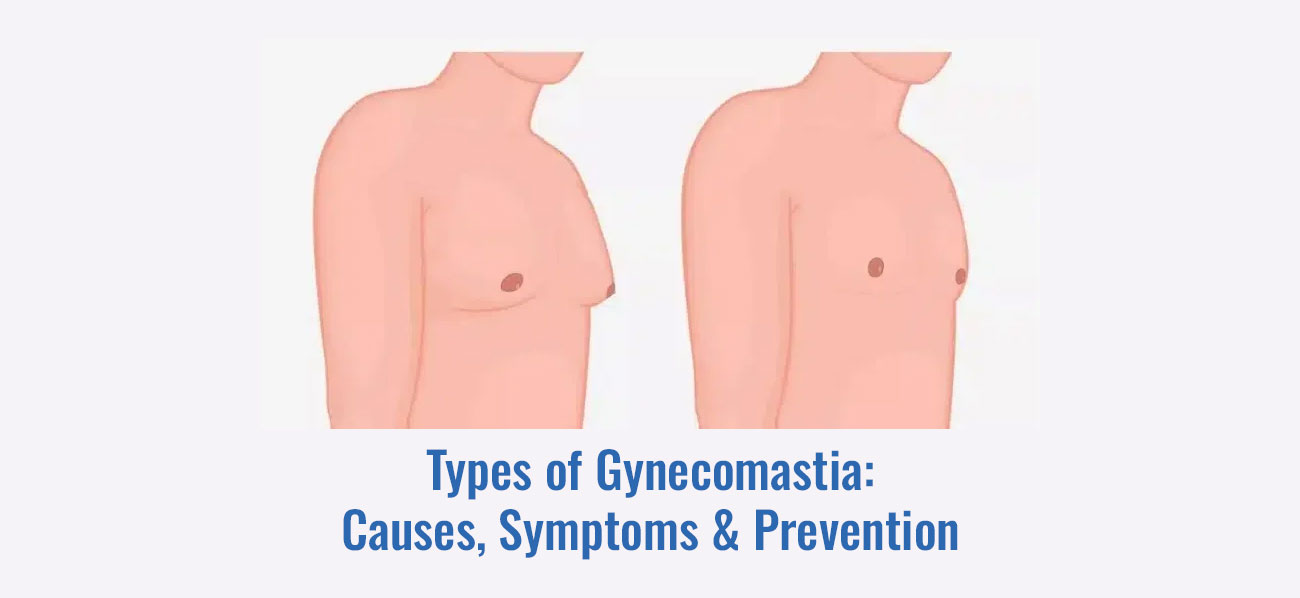
Gynecomastia is the enlargement of glandular breast tissue in males due to an imbalance between estrogen and testosterone. The condition can develop in one or both breasts and may occur at any stage of life, including infancy, puberty, and adulthood.
Common symptoms include:
Although gynecomastia is not usually a serious medical condition, it can have a significant impact on a person's confidence and overall quality of life.
One of the most common misconceptions is that gynecomastia is simply the result of excess body fat.
In reality, gynecomastia involves the growth of glandular breast tissue, whereas excess chest fat—known as pseudogynecomastia; is caused by fat accumulation.
A healthcare provider can determine the difference through a physical examination and, if necessary, additional diagnostic tests.
Myth 2: Exercise Can Completely Cure Gynecomastia
Exercise offers many health benefits and can reduce overall body fat. However, it cannot eliminate enlarged glandular breast tissue.
If the chest enlargement is primarily due to fat, weight loss and strength training may improve the chest's appearance. However, persistent glandular tissue often requires medical evaluation, and in some cases, surgical treatment may be recommended.
Although obesity can contribute to chest enlargement, gynecomastia affects males of all body types.
Men with a healthy body weight can also develop gynecomastia due to:
Being physically fit does not eliminate the possibility of developing gynecomastia.
Gynecomastia can develop at various stages of life.
It is commonly seen in:
Each age group may experience the condition for different reasons.
Hormonal imbalance is a major cause, but it is not the only one.
Other possible causes include:
Determining the underlying cause is essential for choosing the most appropriate treatment.
Not every case of gynecomastia requires surgery.
Treatment depends on several factors, including:
Depending on the diagnosis, management may include:
A healthcare provider can recommend the most appropriate approach based on an individual evaluation.
Some cases, particularly those occurring during puberty, may resolve naturally within one to two years.
However, gynecomastia that persists beyond this period is less likely to disappear without treatment.
Adults with long-standing gynecomastia should seek medical advice rather than waiting for it to improve on its own.
Gynecomastia is a benign (non-cancerous) condition and is not the same as male breast cancer.
However, any unusual changes in the breast, such as a hard lump, nipple discharge, skin changes, or rapid enlargement, should be evaluated by a healthcare professional without delay.
Early medical assessment is important whenever new or concerning symptoms develop.
Gynecomastia can affect:
Uneven breast enlargement is relatively common and does not necessarily indicate a serious problem.
Modern surgical techniques are designed to minimize visible scarring.
The surgical approach and incision placement depend on:
Over time, surgical scars generally fade and become less noticeable with proper post-operative care.
Gynecomastia surgery typically provides long-lasting results.
However, recurrence may occur if underlying causes are not addressed, such as:
Following your surgeon's recommendations and maintaining a healthy lifestyle can help preserve the results.
Many men avoid seeking treatment because they assume the condition is harmless or purely cosmetic.
While gynecomastia is often benign, a medical evaluation is important to:
Seeking professional advice ensures you receive the right diagnosis and care.
A healthcare provider may recommend:
An accurate diagnosis is essential for choosing the most appropriate treatment.
The appropriate treatment depends on the underlying cause and the severity of the condition.
Possible treatment options include:
Schedule a medical evaluation if you experience:
Seeking medical advice early can help identify the underlying cause and guide the right treatment.
At Resplendent The Cosmetic Studio, we understand that gynecomastia can affect both your appearance and self-confidence. Our experienced team provides personalized care, beginning with a detailed consultation to understand your concerns and recommend the most suitable treatment.
If you're considering Gynecomastia Surgery in Delhi NCR, we combine advanced surgical techniques with a patient-focused approach to deliver natural-looking results. From your initial consultation to post-operative recovery, we are committed to ensuring your comfort, safety, and confidence at every stage of your treatment journey.
Gynecomastia is surrounded by many misconceptions that can prevent individuals from seeking timely medical advice. Understanding the facts behind the condition is essential for making informed decisions about diagnosis and treatment.
While lifestyle changes may help in some cases, persistent glandular breast enlargement often requires professional evaluation to determine the underlying cause and the most appropriate management approach. If you have concerns about changes in your chest, consulting an experienced healthcare professional can provide clarity and help you explore the treatment options best suited to your needs.
R-9 , Basement, Greater Kailash Part 1,
New Delhi -110048.
Not always. Puberty-related gynecomastia may resolve on its own, while persistent cases may require medical or surgical treatment.
Weight loss can reduce excess fat in the chest, but it does not remove enlarged glandular breast tissue.
Some individuals experience tenderness or sensitivity, particularly in the early stages, while others have no discomfort.
Yes. Certain medications, including some used to treat heart conditions, mental health disorders, and prostate enlargement, have been associated with gynecomastia. Always consult your healthcare provider before stopping or changing any prescribed medication.
When performed by a qualified and experienced surgeon, gynecomastia surgery is generally considered safe. As with any surgical procedure, it carries potential risks, which should be discussed during your consultation.
Copyright - All Rights reserved © Resplendent Cosmetics
Powered by ITPL