 Experts You Can Trust
Medically Reviewed by Dr. Sukhbir Singh
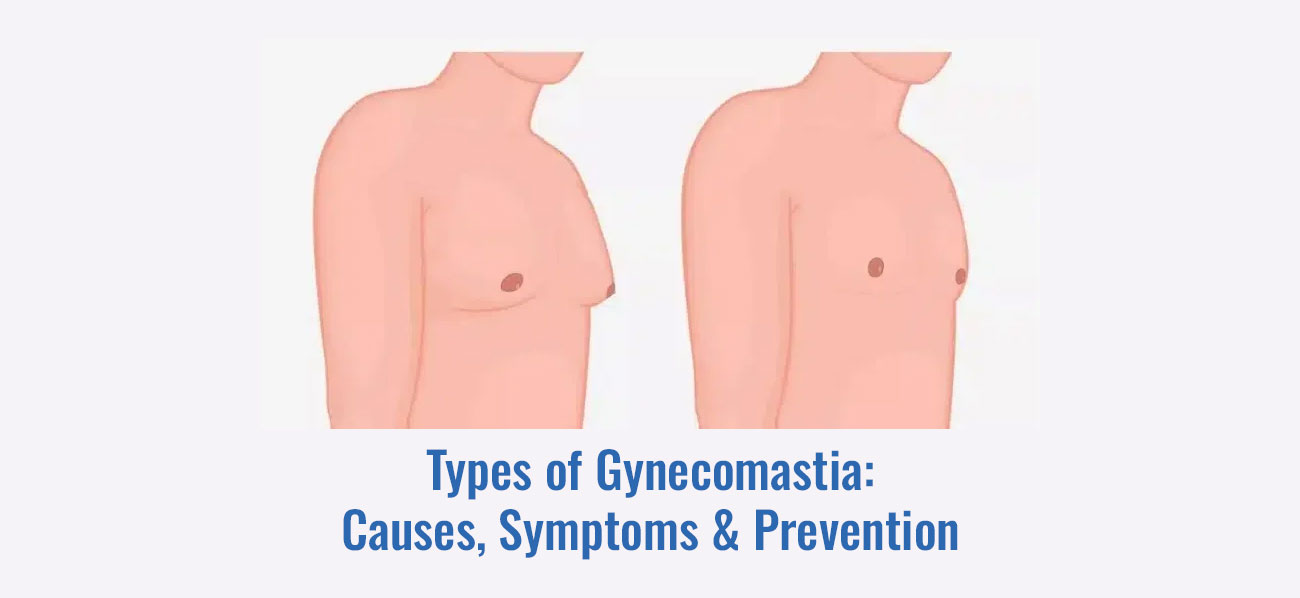
Gynecomastia surgery is a highly effective solution for treating enlarged male breasts. The procedure removes excess glandular tissue, excess fat, or both to create a flatter, more masculine chest. Many patients who undergo surgery often ask the same question: Can gynecomastia come back after surgery?
The good news is that recurrence is uncommon when the procedure is performed correctly and the underlying causes are addressed. However, certain factors can contribute to the return of breast enlargement in some individuals. Understanding these causes can help you protect your surgical results and maintain long-term confidence.
Before discussing recurrence, it's important to understand the nature of the condition. Many men wonder, can gynecomastia go away without treatment?
The answer depends on the underlying cause. In adolescents, temporary hormonal changes during puberty often lead to mild breast enlargement that may improve naturally. In adults, however, persistent gynecomastia caused by enlarged glandular tissue rarely resolves on its own.
Similarly, many patients ask, will gynecomastia go away on its own if they lose weight or start exercising? While weight loss can reduce excess chest fat, it typically does not eliminate enlarged glandular tissue. If glandular tissue is the primary cause, surgery is often the most effective long-term solution.
In most patients, the glandular tissue removed during surgery does not regenerate. As a result, recurrence is relatively rare. However, the appearance of enlarged male breasts can return if new breast tissue develops or if excess fat accumulates in the chest.
When discussing gynecomastia after surgery, it is important to distinguish between true recurrence and changes caused by weight gain, hormonal imbalance, or incomplete treatment. A thorough evaluation by an experienced cosmetic surgeon can help determine the exact reason if breast enlargement reappears.
If you've noticed changes in your chest after gynecomastia surgery or are concerned about recurrence, our experienced cosmetic surgeon can help. Get a comprehensive evaluation to identify the underlying cause, determine whether it's recurrent gynecomastia or excess chest fat, and receive expert guidance on the most appropriate treatment options.
Although surgery provides long-lasting results, several factors may increase the risk of recurrence.
Hormones play a significant role in the development of gynecomastia. Conditions that increase estrogen levels or decrease testosterone levels can stimulate new breast tissue growth. If an underlying hormonal disorder develops after surgery, recurrence may be possible.
Weight gain after surgery can lead to increased fat accumulation in the chest area. Although this is not true gynecomastia, it can create an appearance similar to enlarged male breasts. Maintaining a healthy weight helps preserve surgical results.
Some medications are associated with the development of gynecomastia. These may include certain medications used to treat high blood pressure, prostate conditions, ulcers, psychiatric disorders, or hormonal conditions. Patients should never discontinue prescribed medication without consulting their healthcare provider.
The use of anabolic steroids or testosterone supplements without medical supervision can disrupt normal hormone balance and increase the risk of breast tissue enlargement, even after surgery.
Certain health conditions involving the liver, kidneys, thyroid, adrenal glands, or testes may contribute to hormonal changes that promote breast tissue growth. Treating these conditions is important for long-term management.
In some situations, a small amount of glandular tissue may intentionally be left beneath the nipple to maintain a natural chest contour. If significant glandular tissue remains or continues to enlarge due to hormonal stimulation, recurrence may occur. Choosing an experienced cosmetic surgeon helps minimize this risk.
While no procedure can eliminate every possible risk factor, several healthy habits can help maintain your results after surgery.
Discuss medication-related concerns with your healthcare provider before making changes.
These measures can help preserve your chest contour for many years.
If you notice swelling or enlargement months or years after surgery, do not assume the condition has returned immediately. Temporary swelling, scar tissue, weight gain, or hormonal changes may all affect the appearance of the chest.
A consultation with an experienced cosmetic surgeon can help determine whether the enlargement represents recurrent gynecomastia, excess fatty tissue, scar tissue, or another condition. Early evaluation allows appropriate treatment if needed.
Successful gynecomastia surgery requires careful diagnosis, precise surgical planning, and complete treatment of the underlying problem. An experienced cosmetic surgeon evaluates whether the enlargement is caused by glandular tissue, excess fat, or both before recommending treatment.
At Resplendent Cosmetics, Dr. Sukhbir Singh provides personalized evaluation and advanced gynecomastia surgery in Delhi NCR designed to achieve natural-looking, long-lasting results. Every treatment plan is tailored to the patient's anatomy, medical history, and cosmetic goals while emphasizing safety and patient satisfaction.
R-9 , Basement, Greater Kailash Part 1,
New Delhi -110048.
Recurrence is uncommon after properly performed surgery. However, weight gain, hormonal imbalance, certain medications, anabolic steroid use, or underlying medical conditions may contribute to new breast enlargement.
Puberty-related gynecomastia often resolves naturally. Persistent gynecomastia in adults caused by enlarged glandular tissue usually requires professional treatment.
In most adults, persistent enlargement of glandular breast tissue does not resolve without treatment. A medical evaluation helps determine the most appropriate management approach.
Not necessarily. Weight gain can increase fat deposits in the chest, creating a fuller appearance without the regrowth of glandular tissue.
Schedule an evaluation with your cosmetic surgeon. A thorough examination can identify the underlying cause and determine whether any additional treatment is required.
Gynecomastia surgery offers a reliable and long-lasting solution for men seeking a flatter, more masculine chest. Although true recurrence is uncommon, maintaining a healthy lifestyle and addressing hormonal or medical conditions are essential for preserving your results. If you experience changes in your chest after surgery, early consultation with an experienced cosmetic surgeon can help identify the cause and recommend the most appropriate treatment.
Copyright - All Rights reserved © Resplendent Cosmetics
Powered by ITPL