 Experts You Can Trust
Medically Reviewed by Dr. Sukhbir Singh
Hair loss is a common concern among men, affecting millions across different age groups. While losing a small amount of hair daily is completely normal, noticeable thinning, receding hairlines, or bald patches can indicate the beginning of a more serious condition like male pattern baldness. This condition often develops gradually and may go unnoticed in its early stages.
Understanding the stages of hair loss is important because it helps you recognize where you stand and what actions you should take next. Each stage represents a different level of progression, and identifying it correctly can make a significant difference in choosing the right treatment approach.
Early detection plays a crucial role in managing hair loss effectively. When addressed in the initial stages, treatments tend to be more successful in slowing down hair fall, strengthening existing hair, and even promoting regrowth. Ignoring early signs, on the other hand, can lead to advanced stages where treatment options become more limited.
Male pattern baldness, medically known as Androgenetic Alopecia, is the most common type of hair loss in men. It is a progressive condition that leads to thinning hair, a receding hairline, and eventually baldness in specific areas of the scalp, typically the front and crown.
The primary cause of this condition lies in genetics and hormones. If hair loss runs in your family, there is a higher chance you may experience it as well. A key hormone involved is Dihydrotestosterone (DHT). DHT gradually shrinks hair follicles, making them weaker over time. As a result, hair becomes thinner, shorter, and eventually stops growing altogether.
Male pattern baldness can begin at different ages, but it most commonly starts in the late teens to early 20s. For some men, the progression is slow and may take decades, while for others, it can advance more quickly. By the age of 50, a significant percentage of men experience some degree of noticeable hair loss.
Hair loss in men can occur due to a combination of internal and external factors. Understanding these causes can help in identifying the root problem and choosing the right treatment approach.
Genetics is the most common cause of hair loss, especially in cases of Androgenetic Alopecia. If your family has a history of baldness, there is a higher likelihood that you may experience similar patterns over time.
Hormones play a crucial role in regulating hair growth. An increase in Dihydrotestosterone (DHT) can shrink hair follicles, leading to thinner hair and eventually stopping new hair growth.
High stress levels, poor sleep, smoking, and unhealthy lifestyle habits can trigger or accelerate hair loss. Conditions like Telogen Effluvium are often linked to physical or emotional stress.
A lack of essential nutrients such as iron, protein, biotin, and vitamins can weaken hair follicles and cause excessive shedding. A balanced diet is essential for maintaining healthy hair growth.
Certain health issues like thyroid disorders, scalp infections, and autoimmune diseases such as Alopecia Areata can lead to sudden or patchy hair loss. In such cases, medical treatment is necessary for proper management.
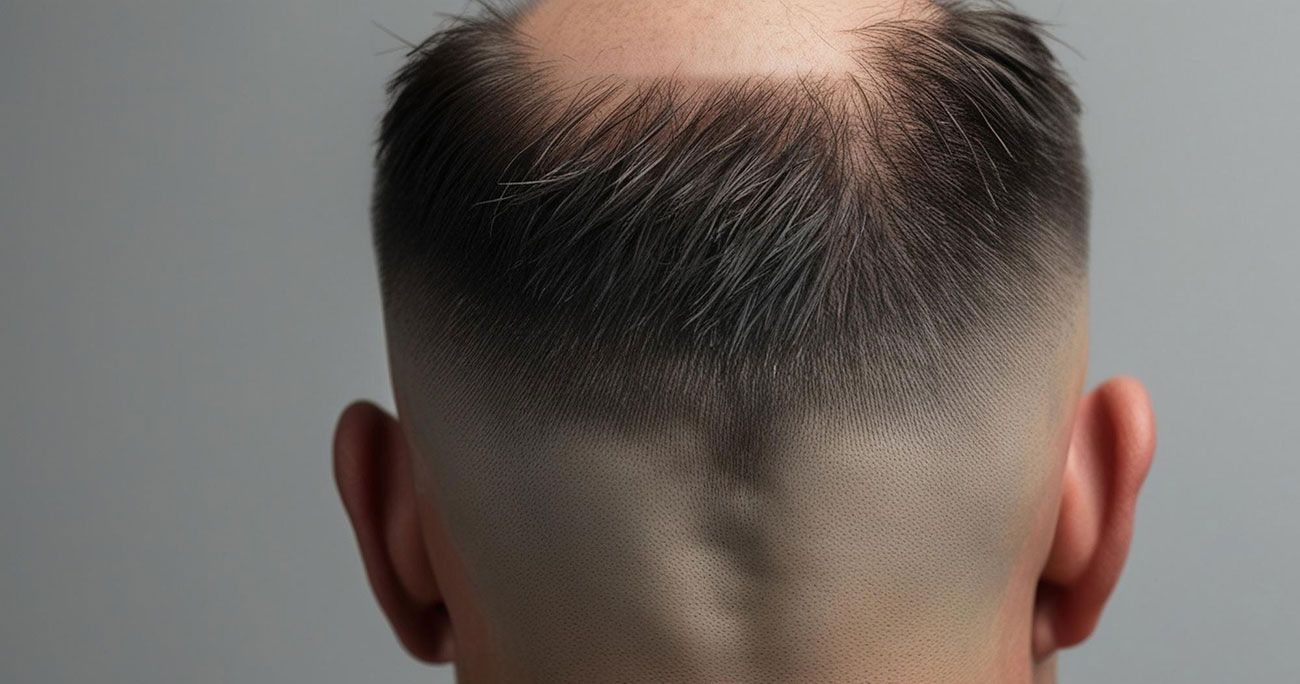
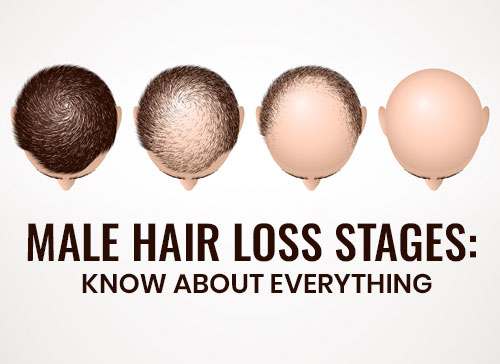
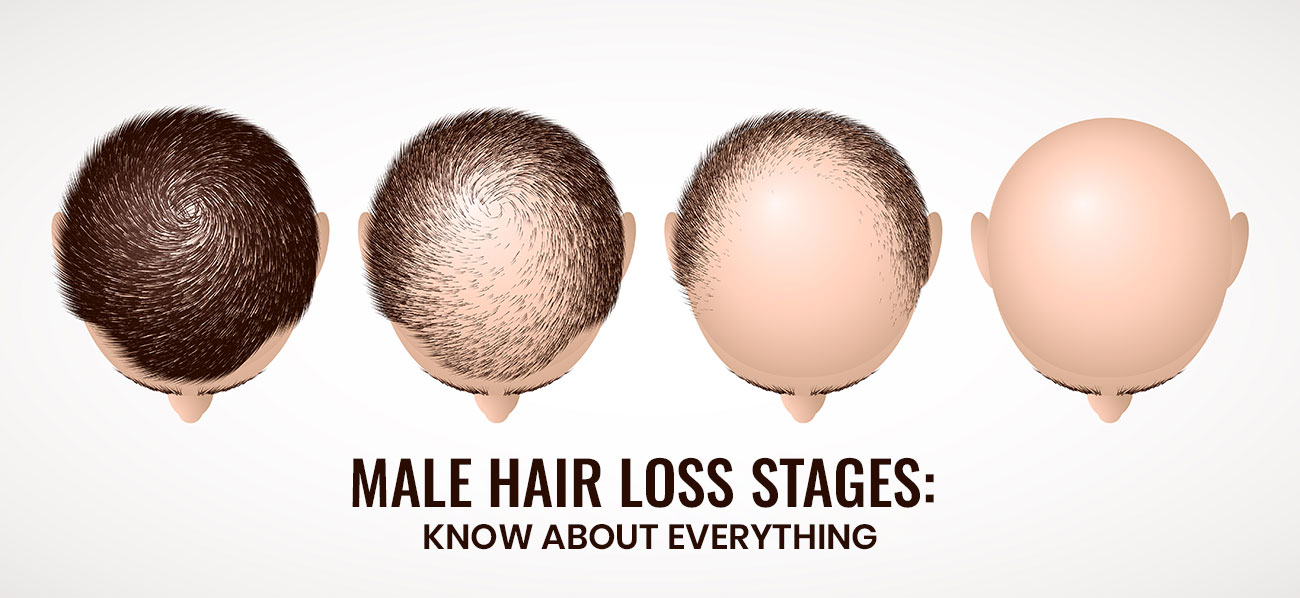
Hair loss in men typically follows a predictable pattern known as the Norwood Scale. This scale helps in identifying the progression of baldness and choosing the right treatment at each stage.
At this stage, there are no visible signs of hair loss. The hairline remains natural and full, with consistent density across the scalp.
A slight recession begins around the temples. This is often referred to as a “mature hairline” and may not necessarily indicate severe hair loss.
This is the stage where hair loss becomes clearly visible. The hairline recedes deeper, especially at the temples, forming an “M” shape.
In this variation, hair thinning primarily affects the crown (top of the head), while the front hairline may remain relatively unchanged.
Hair loss becomes more pronounced, with a deeper recession at the front and noticeable thinning at the crown. A band of hair still separates these two areas.
The bald areas at the front and crown enlarge, and the strip of hair between them becomes thinner and weaker.
At this stage, the connecting strip of hair disappears, and the front and crown bald areas merge into one larger region.
This is the most advanced stage of hair loss. Only a band of hair remains on the sides and back of the scalp, while the top is completely bald.
Hair loss doesn’t happen suddenly—it usually begins with subtle warning signs that are easy to overlook. Paying attention to these early symptoms can help you take timely action and prevent further progression.
Losing some hair daily is normal, but if you notice an unusual increase in hair strands on your pillow, floor, or shower drain, it could be an early sign of hair loss.
One of the most common signs is a gradually receding hairline, especially around the temples. This often creates an “M” shape and is typically associated with Androgenetic Alopecia.
Hair thinning at the crown (top of the head) is another early indicator. It may start as a small patch and slowly become more noticeable over time.
If you observe excessive hair shedding while shampooing or combing, it could be a sign of weakened hair follicles. In some cases, this may also be linked to conditions like Telogen Effluvium, which is often triggered by stress or lifestyle changes.
Recognizing these signs early can make a significant difference, as treatments are generally more effective in the initial stages of hair loss.
Understanding your current stage of hair loss is essential for choosing the right treatment and preventing further progression. Here are some simple ways to assess it:
Self-Check Tips
When to Consult a Specialist
Consulting a dermatologist or trichologist can provide an accurate diagnosis and a personalized treatment plan.
Hair loss treatments vary depending on the stage. Acting early can significantly improve results and slow down progression.
While not all types of hair loss can be completely prevented, adopting the right habits can help slow down the process and maintain healthier hair for longer.
Healthy Diet
A balanced diet rich in protein, iron, biotin, and vitamins is essential for strong and healthy hair. Include foods like eggs, leafy greens, nuts, and fruits to nourish hair follicles from within.
Stress Management
High stress levels can trigger hair fall conditions like Telogen Effluvium. Practicing yoga, meditation, or regular exercise can help reduce stress and support overall hair health.
Proper Hair Care Routine
Use mild, sulfate-free shampoos and avoid excessive heat styling. Gentle handling of hair—especially when wet—can prevent unnecessary breakage and shedding.
Avoiding Harsh Chemicals
Frequent use of chemical treatments, dyes, and styling products can weaken hair over time. Limiting their use helps in maintaining natural strength and shine.
Male hair loss is a gradual process that progresses through different stages, most commonly classified by the Norwood Scale. Understanding these stages helps you recognize early signs and take timely action.
The key to managing hair loss effectively lies in early detection and the right treatment approach. Whether it’s lifestyle changes, medications, or advanced procedures, acting proactively can make a significant difference in preserving your hair and confidence.
R-9 , Basement, Greater Kailash Part 1,
New Delhi -110048.
Hair loss can begin as early as the late teens or early 20s, especially in cases of Androgenetic Alopecia.
In early stages, hair loss can often be slowed down or partially reversed with treatments like Minoxidil and lifestyle improvements.
Hair transplant procedures are usually most effective between stages 3 and 6, depending on donor hair availability.
The speed of hair loss varies from person to person. It may take years for some, while others may experience rapid progression.
Genetic hair loss is generally permanent, but treatments can help slow it down and improve hair density.
Copyright - All Rights reserved © Resplendent Cosmetics
Powered by ITPL