Start with what bothers you, not a photo of someone else
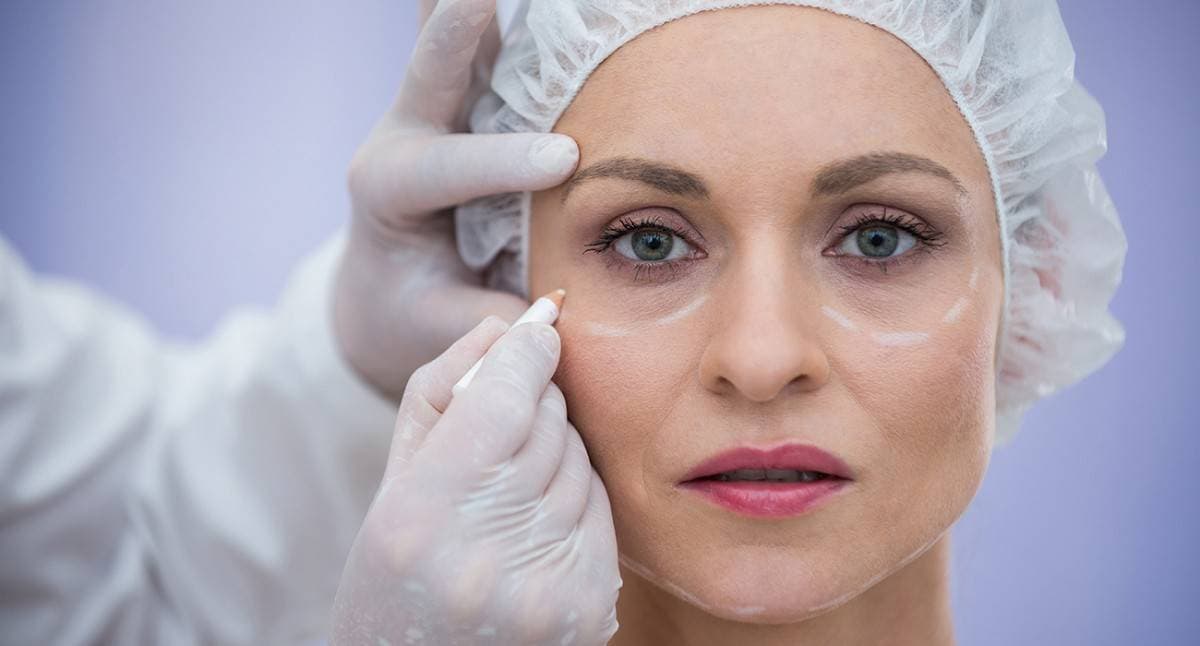
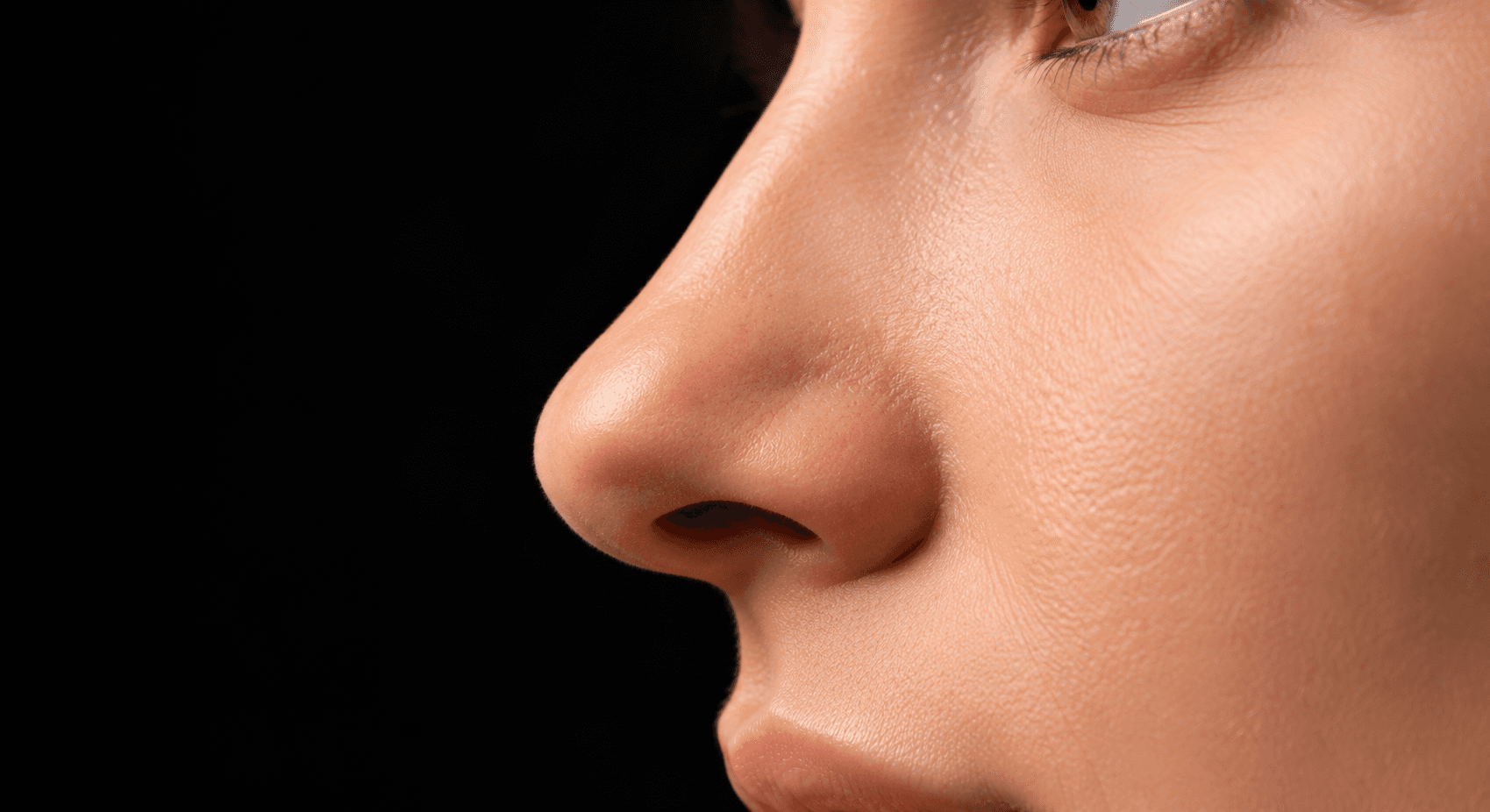
A good rhinoplasty consultation begins with your own concern: a bump on the bridge, a wide or drooping tip, asymmetry after an injury, or difficulty breathing through one side. Describing the concern clearly helps the surgeon judge what can change while keeping the nose in balance with the rest of your face.
Reference photos can be useful to show a direction, but every face has different skin thickness, bone structure and proportions. The aim is a nose that suits you, not a copy of another person's profile.
Appearance and breathing are planned together
The shape of the nose and the way air flows through it are closely linked. Reducing or narrowing the nose without supporting its internal structure can affect breathing, so the airway is assessed as part of planning, even when the main goal is cosmetic.
If you already have a blocked side, frequent congestion or a history of nasal injury, mention it early. Some functional problems can be addressed during the same procedure.
What recovery usually involves
Most people notice swelling and some bruising around the nose and eyes in the first days. Visible bruising settles first, while subtle swelling, especially at the tip, takes much longer to fade. The final shape develops gradually, so early results are not the end result.
- Plan for a few days of rest and avoid strenuous activity until you are advised otherwise
- Follow instructions on sleeping position, splints and cleaning
- Protect the nose from knocks and avoid pressure from heavy glasses until cleared
- Attend follow-up visits so healing can be checked
When a non-surgical option may be discussed
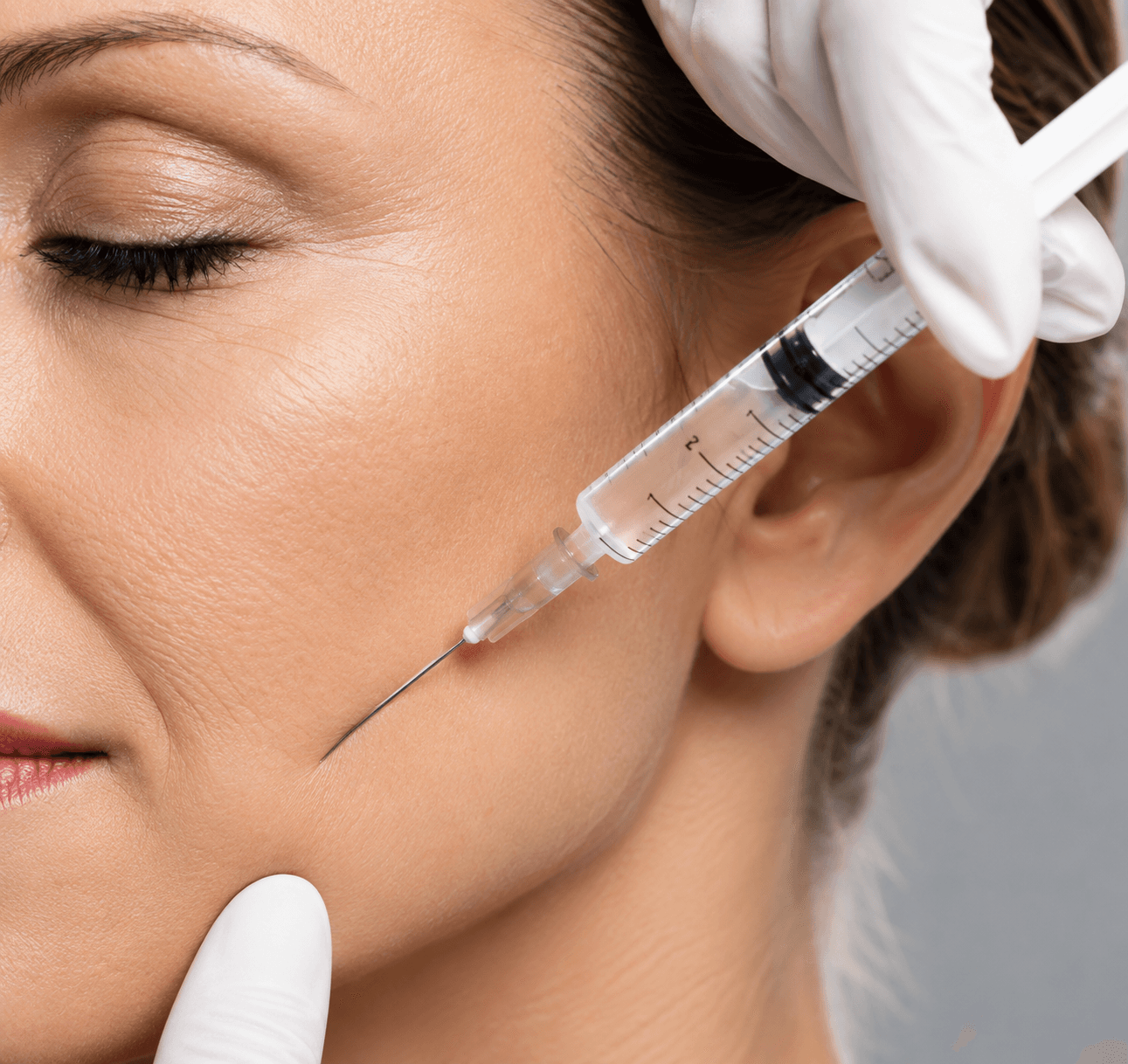
Small contour irregularities can sometimes be camouflaged with injectable fillers. This does not reduce the size of the nose or improve breathing, and it carries its own risks, so it is only suitable for selected concerns after a careful assessment.
Questions to ask at your consultation
- Which changes are realistic for my skin type and nasal structure?
- Will my breathing be assessed and, if needed, treated at the same time?
- How long does swelling usually take to settle at the tip?
- What are the risks, and how are revisions handled if they are needed?
This article is general information, not medical advice. Suitability, risks and results differ from person to person and can only be assessed in a consultation.