Begin with a diagnosis, not a device
Pigmentation, acne scars, open pores, fine lines and dullness can look similar in a mirror but have different causes. Choosing a treatment before the concern is assessed is the most common reason people are disappointed with results.
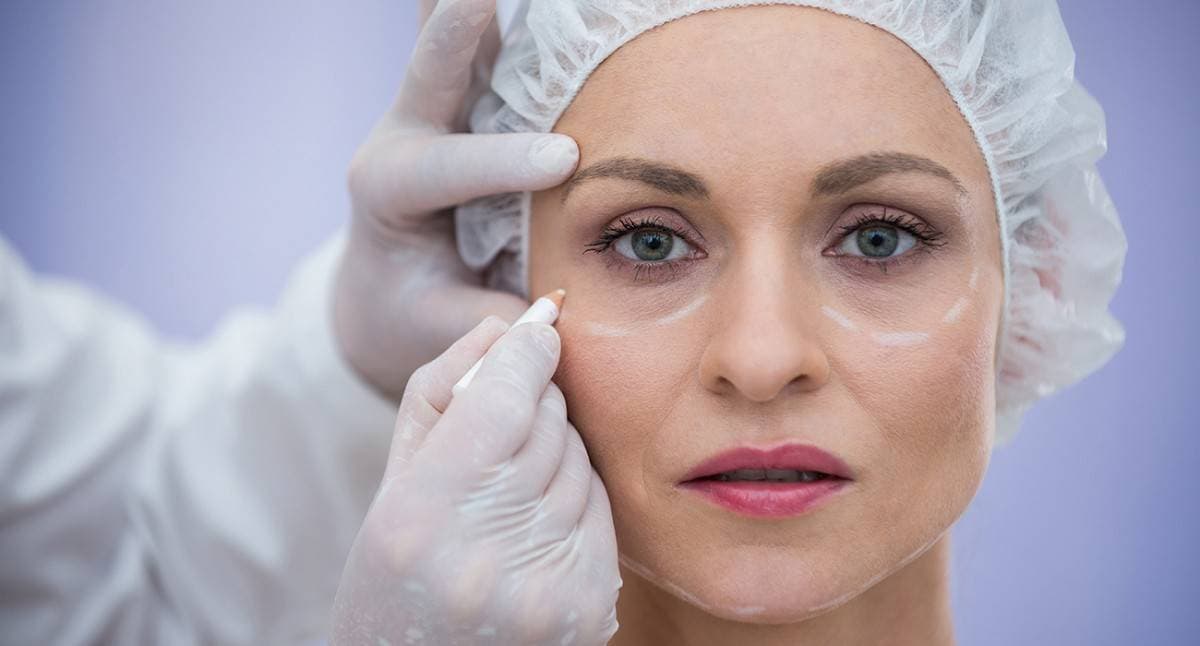
A consultation should look at your skin type, history of acne or pigmentation, current skincare and any medicines that make skin more sensitive.
Common options and what they are for
Each treatment works at a different depth and suits different concerns:
- Chemical peels remove damaged surface layers to improve tone, texture and some pigmentation
- Microdermabrasion gently exfoliates the surface for smoother, fresher-looking skin
- Microneedling RF (such as Morpheus8) works deeper to stimulate collagen for texture and firmness
- Laser and energy-based treatments target specific concerns such as hair, pigment or laxity
Extra care for darker and sensitive skin
Indian skin can be more prone to pigmentation after inflammation. Settings, peel strength and preparation should be chosen with this in mind, and a patch test or gentler starting plan may be advised.
Aftercare matters as much as the treatment
Most skin treatments make the skin more sensitive to sun for a while. Daily sunscreen, gentle cleansing and avoiding harsh actives until cleared all protect your result. A course of sessions is usually needed, so ask how many are planned and how far apart.
Questions to ask at your consultation
- What is causing my skin concern?
- Which treatment suits my skin type, and why?
- How many sessions will I need, and what downtime should I expect?
- What aftercare and sun protection will I need?
This article is general information, not medical advice. Suitability, risks and results differ from person to person and can only be assessed in a consultation.