
Active Acne
Salicylic Peel
Non-invasive with rapid onset. Kills the bacteria inside active acne and reduces inflammation; it is neutralised immediately after frosting.
As we age, skin appears dull because dead skin cells do not slough off as easily as when we are young. Light, medium and deep chemical peels are non-surgical procedures that peel away the skin's top layer to improve sun-damaged, unevenly pigmented and wrinkled skin—restoring a healthy, radiant appearance.
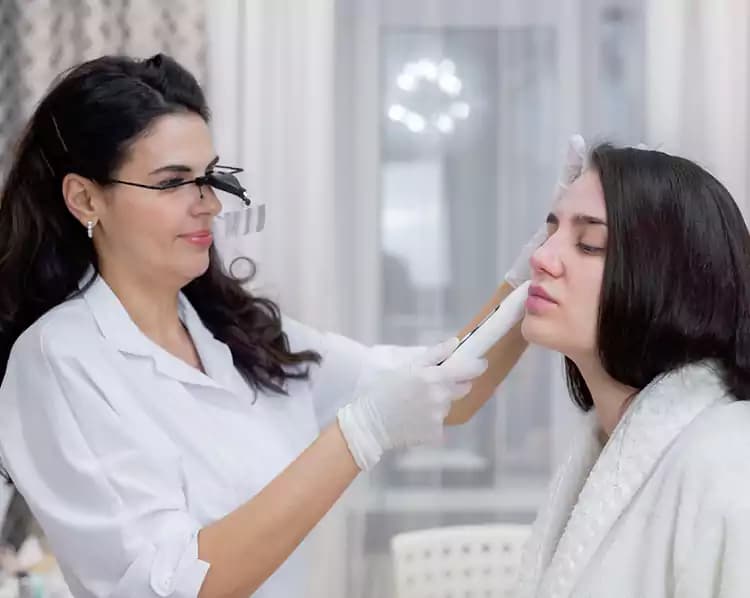 Skin Assessment
Chemical Peel
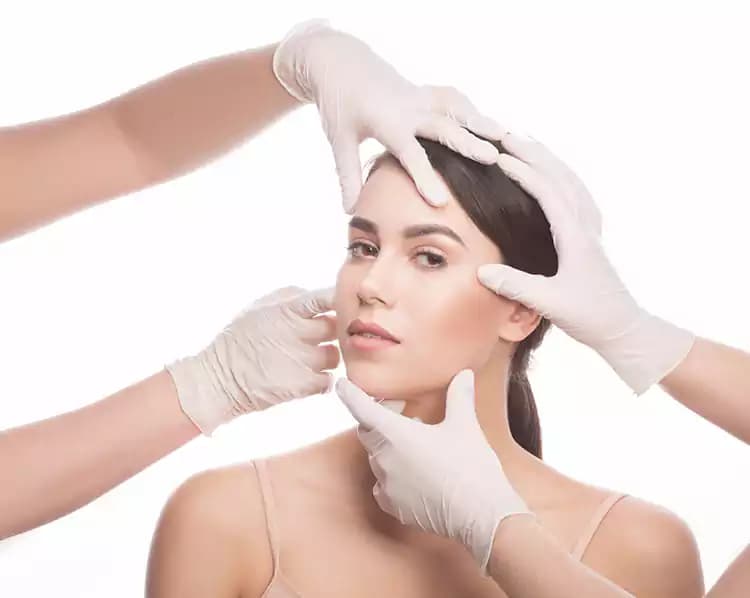
Drag the slider to compare skin tone and texture before and after a chemical peel.
Sample image for illustration. Clinic patient results will be added here.
Different peels suit different skin concerns—some have downtime and some have none. Your doctor decides which peel, or combination of peels, suits your face or body.
Non-invasive with rapid onset. Kills the bacteria inside active acne and reduces inflammation; it is neutralised immediately after frosting.
One of the oldest peels (20–40%). Removes excess sebum and dead cells, evens texture and tone, and improves fine lines—though results need frequent sessions.
Trichloroacetic acid peel used as a spot peel or for the full face to treat fine lines, hyperpigmentation, melasma, acne scars and sun damage. Strictly doctor-administered.
A combination peel with retinoids, phytic, kojic and azelaic acids. Left on for at least 12 hours; a fresher new layer appears over about 3 weeks.
A charcoal-based peel removed with a Q-switched laser. Improves open pores, pigmentation, oiliness and uneven tone with immediate recovery.
Helps treat acne and, in addition, hyperpigmentation. Your doctor will explain the pros and cons of each option.
A peel generates a chemical reaction and heat, so it is always performed in a professional clinical setting.
Your doctor assesses your concern and recommends the right peel, number of sessions and expected downtime before treatment begins.
The face is cleaned thoroughly, removing any make-up or creams previously applied.
One or two coats are applied depending on your condition. Sometimes layering or a combination of peels is used, then the peel is neutralised.
The skin is cleaned and layered with antibiotic cream, moisturiser and sunscreen. Post-peel instructions are explained before you leave.
Chemical peels rarely make skin worse when post-peel instructions are followed. Sun protection is the cornerstone of your treatment—if in doubt, ask your doctor rather than trying home remedies.
Splash gently with water only and dab dry, then apply moisturiser and sunscreen straight away.
Peeling dries the skin, so moisturise at regular intervals.
Use SPF 30–50, indoors and outdoors, and avoid direct sun exposure as advised.
Consult our doctors at Resplendent Aesthetics, R-9, Basement, Greater Kailash Part 1, New Delhi - 110048, for a peel plan tailored to your skin.