How fat grafting works
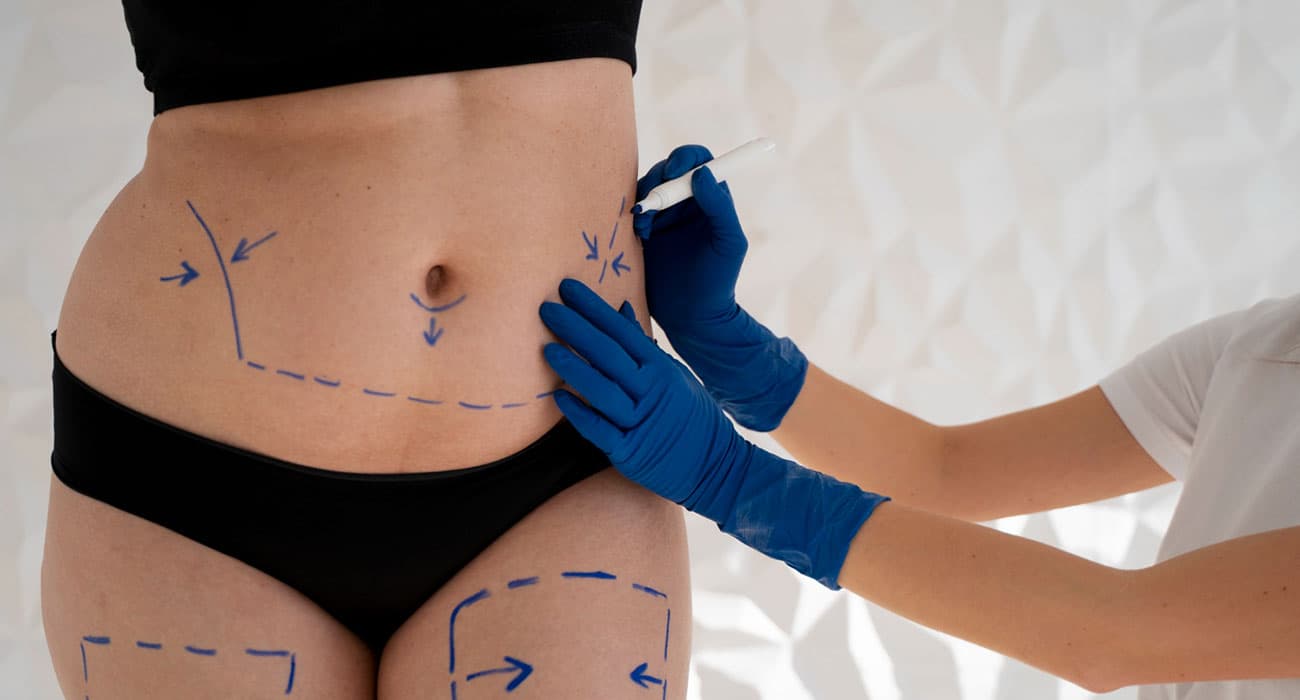
Fat grafting moves fat from an area where you have extra, such as the abdomen or thighs, to an area that needs volume. The fat is harvested with gentle liposuction, purified, and then injected in small amounts so it can establish a blood supply.
Where it is commonly used
Because it uses your own tissue, fat grafting can give a soft, natural feel.
- Restoring volume to the face, such as hollow cheeks or under-eye areas
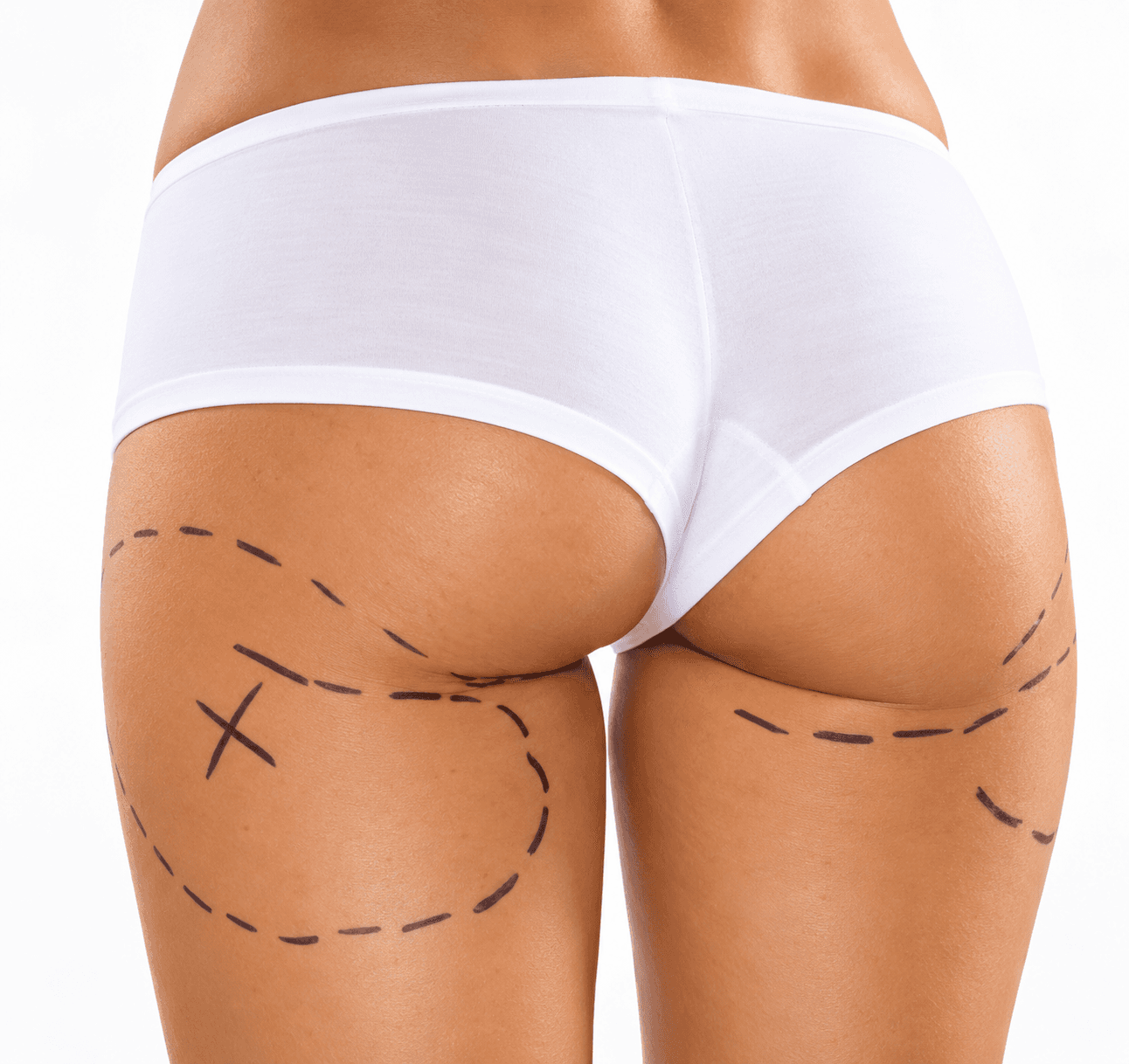
- Shaping the buttocks, as in a Brazilian butt lift
- Improving contour irregularities after previous surgery
Why the result takes time
Not all transferred fat survives. Some is naturally reabsorbed over the first few months, so the early result looks fuller than the final one. More than one session may be advised for larger changes.
You need enough spare fat in a donor area, and a stable weight helps the result last.
Questions to ask at your consultation
- Do I have enough fat in a suitable donor area?
- How much of the transferred fat is likely to remain?
- Might I need more than one session?
- What recovery should I expect at both the donor and treated areas?
This article is general information, not medical advice. Suitability, risks and results differ from person to person and can only be assessed in a consultation.